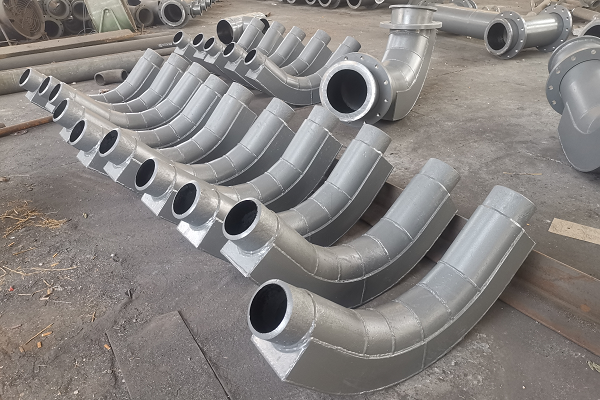
In industrial production, the material conveying efficiency and performance are crucial. Bimetal Wear Pipe, with its unique structural advantages, provides a reliable conveying solution in a high-wear environment. However, to ensure the efficient performance of this Wear Pipe system, its processing must also follow a series of strict requirements. So today, let's take a look at the Bimetal Clad Pipe processing requirements.

What are the processing methods of Bimetallic Composite Wear-resistant Pipe? First of all, before production, it is necessary to understand clearly what shape, caliber, thickness, specification, and material of the bimetallic wear-resistant pipe are needed; then according to the specification requirements, make the outer steel pipe (ordinary steel pipe or stainless steel pipe), and then produce the semi-finished product through a series of work such as molding, brushing, drying, shaping, pouring (lost foam vacuum suction casting composite process); then after a series of work before leaving the factory such as grinding, heat treatment, assembly, pressure testing, etc., the finished product can be obtained; then it can be packaged and shipped according to customer requirements. Among so many processing requirements, heat treatment and pressure testing are particularly important. Many manufacturers omit these two steps in order to save costs, resulting in the pipeline rupture not long after use.
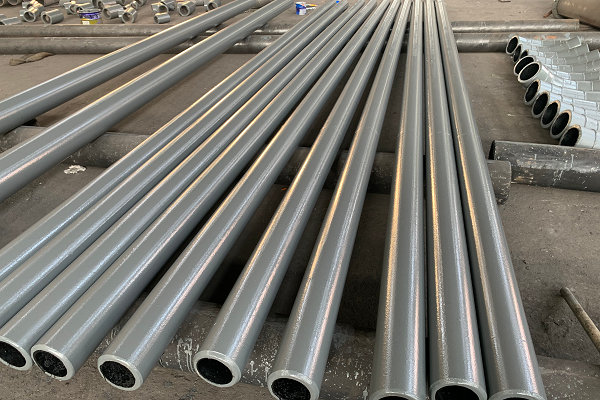
Therefore, among the above Lined With High Chromium Bimetal Composite Pipe processing requirements, none of them can be missing. If you want to know about the purchase of finished products, you can consult at any time.